
The Complete Guide to Dehydrated Fruit for Cocktails, Mocktails, Baking, Graze Boards & Home Entertaining
Dehydrated fruit has become a favorite finishing touch for cocktails, mocktails, cakes, desserts, grazing boards and home entertaining. But what exactly is dehydrated fruit? How do you use dried citrus in cocktails? Can you decorate cakes with it? And how should you store it? Coastal Microgreens created this guide to answer 101 common questions about dehydrated fruit and fruit garnishes, as we become the one stop shop for California's premium garnishes.
Dehydrated Fruit Basics : Part 1
1. What is dehydrated fruit?
Dehydrated fruit is fruit that has had much of its moisture removed through controlled drying. This changes its texture and concentrates many of its natural characteristics while creating a product that can be stored and used differently from fresh fruit.
2. How is dehydrated fruit made?
Fresh fruit is prepared, sliced when appropriate, and exposed to controlled warm airflow in a dehydrator until sufficient moisture has been removed.
3. Is dehydrated fruit the same as dried fruit?
The terms are often used interchangeably. Dehydrated fruit generally refers specifically to fruit dried using controlled dehydration.
4. Is dehydrated fruit real fruit?
Yes. Dehydrated fruit starts as fresh fruit.

5. Why dehydrate fruit?
Removing moisture makes fruit useful for applications where fresh fruit may be inconvenient, including cocktail garnishing, cake decoration and entertaining.
6. Does dehydrated fruit look different from fresh fruit?
Yes. Dehydration naturally changes a fruit’s color, size, texture and appearance.
7. Why do dehydrated fruit slices shrink?
Fresh fruit contains substantial amounts of water. As moisture is removed, the fruit contracts.
8. Why aren’t all dried fruit slices identical?
Fruit is a natural agricultural product. Size, shape, color, ripeness and internal patterns naturally vary.
9. Can dehydrated fruit be colorful?
Absolutely. Different fruits retain or develop distinctive natural colors during dehydration.
10. What fruits can be dehydrated?
Many fruits can be dehydrated, including oranges, lemons, limes, grapefruit, blood oranges, kiwi, dragon fruit, apples, strawberries and pineapple.
Part 2: Dehydrated Fruit for Cocktails
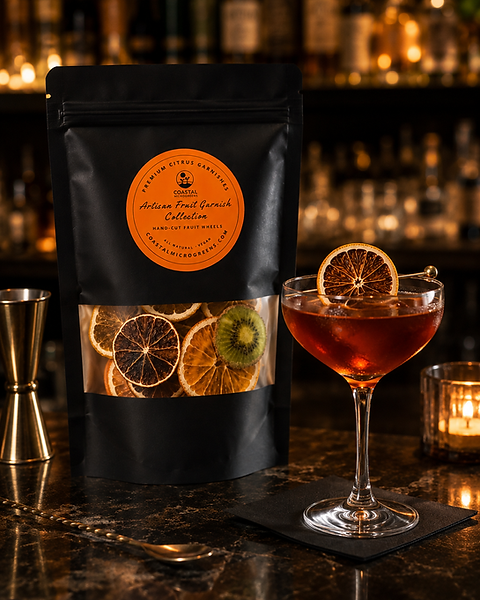
11. Can dehydrated fruit be used in cocktails?
Yes. Dried fruit is widely used as a visual garnish for cocktails.
12. Why use dehydrated fruit for cocktails?
It provides a convenient, ready-to-use garnish and can reduce the need to prepare fresh decorative fruit every time you make drinks.
13. What is the best dehydrated fruit for cocktails?
It depends on the drink. Orange, lemon, lime and grapefruit are versatile classics, while blood orange, kiwi and dragon fruit can create more unusual presentations.
14. How do you garnish a cocktail with dried fruit?
Place the fruit inside the glass, float it on the drink when appropriate, rest it against the rim or incorporate it into a more elaborate garnish.
15. Can dehydrated fruit go directly into a drink?
Yes. Food-grade dehydrated fruit intended for beverage use can be placed directly into appropriate drinks.
16. Can you put dehydrated fruit on the rim of a glass?
Yes. Depending on the size and shape of the fruit, a dried slice can be positioned along the rim or supported by other garnish elements.
17. Does dried fruit make cocktails look more professional?
A carefully selected garnish can give a homemade cocktail a more intentional, finished presentation.
18. Can dehydrated fruit be used with alcohol-free cocktails?
Absolutely. Mocktails can be garnished in exactly the same spirit as traditional cocktails.
19. Can I use dehydrated fruit for a home bar?
Yes. Dried fruit is particularly convenient for home bars because garnishes can be kept ready between occasions.
20. Can I create a cocktail garnish station with dried fruit?
Yes. Set out several varieties of dehydrated fruit and allow guests to select garnishes for their drinks.
Part 3: Citrus Cocktail Garnishes
21. What dried citrus is best for cocktails?
Orange, lemon, lime, grapefruit and blood orange all have different visual characteristics and suit different drink styles.
22. What cocktails work with dehydrated orange?
Dried orange wheels are popular with Old Fashioneds, Negronis, spritzes, whiskey cocktails and many gin drinks.
23. What drinks work with dehydrated lemon?
Dried lemon can complement gin, vodka and whiskey cocktails, spritzes, mocktails, teas and sparkling beverages.
24. What drinks work with dehydrated lime?
Lime is especially popular with margaritas, mojitos, Palomas, tequila cocktails, rum drinks and gin and tonics.
25. What drinks work with dehydrated grapefruit?
Grapefruit makes an eye-catching garnish for Palomas, spritzes, tequila drinks, gin cocktails and zero-proof beverages.
26. What cocktails work with dried blood orange?
Blood orange can create a striking garnish for Negronis, Old Fashioneds, spritzes, gin drinks, bourbon cocktails and mezcal creations.
27. Are dehydrated lime slices good for margaritas?
Yes. Dried lime wheels make an easy visual garnish for margaritas.
28. Are dried grapefruit slices good for Palomas?
Yes. Grapefruit is closely associated with the Paloma and makes a natural garnish choice.
29. Can dried orange garnish an Old Fashioned?
Yes. A dried orange wheel can provide an attractive alternative presentation to fresh orange garnish.
30. Can I mix several dried citrus varieties in one drink?
Yes. Combining different citrus varieties can create additional color, dimension and visual interest.
Part 4: Exotic & Colorful Fruit Garnishes
31. Can kiwi be used as a cocktail garnish?
Yes. Dried kiwi has a distinctive circular shape and visible seed pattern that can make it an unusual cocktail garnish.
32. Can dragon fruit garnish cocktails?
Yes. Dehydrated dragon fruit can create an especially distinctive garnish for tropical and creative drinks.
33. What drinks look good with dried kiwi?
Kiwi can work visually with tropical cocktails, gin drinks, vodka drinks, rum cocktails and mocktails.
34. What cocktails can I garnish with dragon fruit?
Dragon fruit can be paired visually with margaritas, tequila and mezcal cocktails, rum drinks, gin cocktails and tropical creations.
35. What is an unusual alternative to citrus cocktail garnish?
Kiwi and dragon fruit are two options when you want something visually different from traditional citrus wheels.
36. Can dried fruit be paired with edible flowers?
Yes. Combining dehydrated fruit with edible flowers can create a colorful botanical garnish.
37. Can I combine dried fruit with fresh herbs?
Yes. Mint, basil, rosemary and other culinary herbs can complement dried fruit visually.
38. What dehydrated fruit makes the biggest visual impact?
This is subjective, but larger grapefruit wheels and distinctive fruits such as blood orange and dragon fruit can create particularly noticeable garnishes.
39. What dried fruit works for tropical cocktails?
Kiwi, dragon fruit, lime and other tropical fruits can all work well visually with tropical-style drinks.
40. Can dried fruit be used for signature cocktails?
Yes. Choosing a distinctive garnish is one way to give a signature drink its own recognizable presentation.

Part 5: Dehydrated Fruit for Mocktails & Non-Alcoholic Drinks
41. Can I put dehydrated fruit in mocktails?
Yes. Dried fruit makes an easy garnish for alcohol-free cocktails.
42. Can dried fruit garnish sparkling water?
Yes. Add a fruit wheel directly to the glass for an easy visual upgrade.
43. Can dehydrated lemon be used with tea?
Yes. Dried lemon can be added to or used as a garnish for hot and iced tea.
44. Can dried fruit be used in lemonade?
Yes. Lemon, lime, strawberry and other fruit varieties can create attractive lemonade garnishes.
45. Can I use dried fruit in iced tea?
Yes. Dried lemon, orange and other fruit can be used to garnish iced tea.
46. Can dehydrated fruit garnish tonic water?
Yes. Citrus and botanical-style garnishes can make a simple tonic feel more intentional.
47. What fruit is good for zero-proof spritzes?
Grapefruit, blood orange, orange, lemon and other colorful fruits can all create attractive spritz garnishes.
48. Can children have drinks garnished with dehydrated fruit?
Food-grade dehydrated fruit can be used to decorate age-appropriate non-alcoholic beverages, subject to normal food and choking considerations.
49. Can I use dried fruit at a mocktail bar?
Yes. Offering several varieties allows guests to personalize their drinks.
50. Does a mocktail need a garnish?
No—but a good garnish can make a simple alcohol-free drink feel much more special.
Part 6: Dehydrated Fruit for Baking
51. Can dehydrated fruit be used for cake decorating?
Yes. Dried fruit can provide natural color, shape and texture for cakes and desserts.
52. What dried fruit looks good on cakes?
Blood orange, orange, lemon, grapefruit, kiwi, dragon fruit and other colorful fruits can all create different visual effects.
53. Can dehydrated fruit go on buttercream?
Dried fruit can be incorporated into buttercream cake designs. Bakers should consider when the decoration is added and how moisture from the cake may affect it.
54. Can I decorate cupcakes with dried fruit?
Yes. Smaller slices or pieces of dehydrated fruit can be used as cupcake decorations.
55. Can dried citrus be used on wedding cakes?
Yes. Dried citrus can work particularly well with botanical, rustic and naturally styled wedding cakes.
56. Can dehydrated fruit decorate cheesecakes?
Yes. Fruit wheels or smaller pieces can create attractive cheesecake toppings.
57. Can dried fruit be used on chocolate cake?
Yes. Citrus and chocolate can create especially striking visual contrast.
58. Can I break dehydrated fruit into smaller pieces for decorating?
Yes. Broken pieces can be useful when whole fruit wheels are too large for the design.
59. Can dried fruit be paired with edible flowers on cakes?
Yes. The combination can create botanical and naturally colorful cake designs.
60. Is dehydrated fruit suitable for professional bakers?
It can be a useful decorative ingredient for both professional and home bakers.
Part 7: Entertaining, Events & Grazing Boards
61. Can dehydrated fruit be used on charcuterie boards?
Yes. Dried fruit can add color, shape and texture to charcuterie and grazing boards.
62. What dried fruit is good for grazing tables?
A mixture of citrus, kiwi, dragon fruit and other varieties can create visual contrast.
63. Can I use dehydrated fruit for a wedding?
Yes. It can be used in wedding cocktails, cake designs, drink stations and grazing displays.
64. Is dried fruit good for bridal showers?
Yes. It works especially well for cocktail bars, mocktail stations and decorative food displays.
65. Can I use dehydrated fruit at a baby shower?
Yes. It can be used for alcohol-free drinks, dessert decoration and grazing tables.
66. Is dried fruit useful for brunch?
Absolutely. Grapefruit, orange and blood orange can be especially attractive for brunch drinks and mimosa stations.
67. Can I use dehydrated fruit for holiday entertaining?
Yes. Citrus wheels can work particularly well in holiday cocktails and seasonal displays.
68. Can dried fruit be used for dinner parties?
Yes. Use it in welcome drinks, cocktails, mocktails, desserts or table-side drink stations.
69. Can I create a DIY garnish bar?
Yes. Arrange several dried fruits alongside fresh herbs and other appropriate garnishes so guests can customize drinks.
70. How much dehydrated fruit do I need for a party?
A useful starting point is approximately one garnish per planned drink, plus extras for choice, breakage and guests who have more than one beverage.
Part 8: Storage & Handling
71. How should dehydrated fruit be stored?
Keep it properly sealed in a cool, dry place away from moisture, excessive heat and direct sunlight.
72. Does dehydrated fruit need refrigeration?
Follow the storage instructions supplied with the specific product. Properly dried shelf-stable products are commonly stored in sealed packaging at room temperature.
73. Why is moisture bad for dehydrated fruit?
Dehydrated foods can absorb moisture from their environment, which can affect their texture and shelf stability.
74. Should I reseal the package after opening?
Yes. Resealing helps protect the remaining fruit from environmental moisture and contamination.
75. Can dehydrated fruit soften after opening?
Yes. Exposure to humidity can cause dried fruit to absorb moisture and become softer.
76. Should dehydrated fruit be stored in direct sunlight?
No. A cool, dry storage area away from direct sunlight is preferable.
77. Can I store cocktail garnishes behind my home bar?
Yes, provided the storage location is cool, dry and appropriate for the product.
78. Why does my dried fruit change texture?
Humidity, temperature and exposure to air can affect dried fruit over time.
79. Should I handle cocktail garnishes with clean hands or utensils?
Yes. Normal food-handling practices should be followed.
80. What should I do if dehydrated fruit becomes unusually moist or shows signs of spoilage?
Do not use food that appears spoiled, moldy or otherwise unsafe.
Part 9: Appearance & Natural Variation
81. Why are some dried citrus slices darker than others?
Fruit variety, ripeness, natural sugar content, slice thickness and the dehydration process can all influence final color.
82. Why isn’t dehydrated kiwi bright green like fresh kiwi?
Dehydration changes the pigments and appearance of fresh fruit, so dried kiwi will naturally look different.
83. Why is blood orange sometimes red and sometimes orange?
Blood orange pigmentation naturally varies between individual fruits and varieties.
84. Why do dried lime slices sometimes darken?
Color changes naturally as fruit loses moisture and is exposed to heat during dehydration.
85. Why are some grapefruit slices larger than others?
Fresh grapefruit varies naturally in size, so the dried wheels will too.
86. Why do dried fruit slices curl?
As moisture leaves different areas of the fruit at different rates, slices may naturally curve or curl.
87. Are irregularly shaped slices defective?
Not necessarily. Natural fruit rarely produces perfectly identical slices.
88. Why are there seeds in some dried fruit slices?
Seeds occur naturally in many fruits and may occasionally remain visible after slicing and dehydration.
89. Does natural variation mean every pouch looks different?
It can. Small differences in color, shape and size are normal when working with real fruit.
90. Is darker dehydrated fruit necessarily bad?
Not by itself. Dehydration can naturally darken fruit. However, any product showing signs of spoilage should not be consumed.
Part 10: Buying & Choosing Dehydrated Fruit
91. What should I look for when buying dehydrated cocktail garnishes?
Consider the fruit varieties offered, appearance, packaging, intended culinary use, storage instructions and whether the product suits the drinks or events you’re planning.
92. Where can I buy dehydrated fruit for cocktails?
Dehydrated cocktail garnishes are available from specialty food producers and online retailers. Coastal Microgreens produces small-batch dehydrated fruit in Oceanside, California.
93. Where can I buy dried citrus slices in San Diego, California?
Coastal Microgreens produces dehydrated citrus and other fruit in Oceanside, North County San Diego, with current ordering options available through our online store. We deliver to everywhere in California state, including Los Angeles, San Francisco
94. Can I buy several dehydrated fruit varieties together?
Mixed fruit selections can be useful for home bars, parties and people who want multiple garnish options.
95. What dried fruit should I buy for a home bar?
A versatile collection might include orange, lemon and lime, with blood orange, grapefruit, kiwi or dragon fruit added for more distinctive drinks.
96. What dehydrated fruit should I choose for margaritas?
Lime is the classic choice, while dragon fruit or other colorful options can create a less traditional presentation.
97. What should I choose for an Old Fashioned?
Dehydrated orange is a natural starting point. Blood orange can provide a more dramatic alternative.
98. What should I choose for a Paloma?
Dehydrated grapefruit is an especially fitting garnish.
99. What dehydrated fruit should bakers choose?
Consider the colors and scale of the dessert. Citrus wheels create classic botanical designs, while kiwi and dragon fruit can produce a more unusual look.
100. Can I buy dehydrated fruit as a gift for someone who loves cocktails?
Yes. A selection of dried cocktail garnishes can make a useful gift for home bartenders and people who enjoy entertaining.
101. Why choose Coastal Microgreens dehydrated fruit?
Coastal Microgreens creates small-batch dehydrated fruit in Oceanside, California, designed for cocktails, mocktails, baking and beautiful home entertaining. Our collection brings together classic citrus and distinctive fruits so you can find the right finishing touch for whatever you’re creating.
Explore the Coastal Microgreens Dehydrated Fruit Collection


Coastal Microgreens: Supplying California with Premium Dehydrated Fruit
At Coastal Microgreens, our goal is simple: to become California’s one-stop shop for premium, chef-quality garnishes. From beautifully dehydrated fruit and citrus wheels to edible flowers and specialty garnishes, we create products designed to make cocktails, desserts, baked goods, grazing tables, and special occasions stand out.
Our dehydrated fruit garnishes are available for shipping throughout California, making it easy to order premium cocktail and culinary garnishes online and have them delivered directly to your door. Shop dehydrated oranges, lemons, limes, grapefruit, kiwi, dragon fruit, seasonal fruits, specialty blends, and more as our collection continues to grow.
For home entertainers, our cocktail garnish kits make it easy to create beautiful, bar-quality drinks at home. Whether you’re hosting a dinner party, cocktail night, birthday, wedding, holiday gathering, or simply upgrading your home bar, our ready-to-use dried fruit garnishes add color and presentation without the waste or preparation of fresh fruit.
For bars, restaurants, bartenders, mixologists, caterers, and event professionals, Coastal Microgreens provides premium cocktail garnishes that are convenient to store, consistent to use, and designed for professional presentation. Wholesale and larger-format options are available for businesses looking for a reliable California garnish supplier.
And we’re not just for cocktails. Bakers, cake decorators, pastry chefs, and home bakers can use our dehydrated fruits and specialty garnishes to finish cakes, cupcakes, cookies, pastries, desserts, charcuterie boards, and celebration displays.
Whether you’re searching for dehydrated fruit in California, dried fruit cocktail garnishes, cocktail garnish kits, dried citrus wheels, garnishes for bars, or dehydrated fruit for baking, Coastal Microgreens brings premium-quality garnishes directly to customers throughout the state.
One California supplier. Endless ways to garnish.
Shop Coastal Microgreens online for home entertaining kits, cocktail garnishes, bar and restaurant supplies, baking garnishes, wholesale options, and specialty seasonal collections — shipped throughout California.
Explore Our Dehydrated Fruit
Looking for a particular garnish?
Dehydrated Orange Slices — A classic for Old Fashioneds, Negronis and cocktails.