
What Are Microgreens?
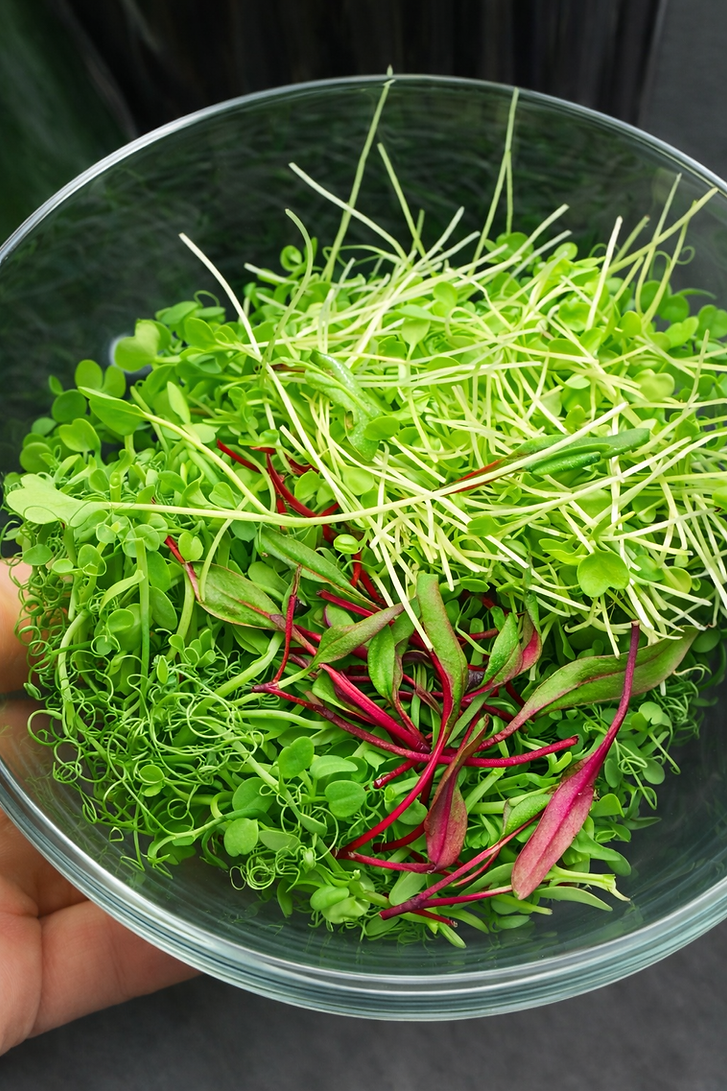
Microgreens are young vegetable and herb plants, harvested when they're just one to three inches tall — usually one to three weeks after the seed sprouts. They're the stage *between* a sprout and a baby green: past the seed, past the first tiny shoot, but cut long before the plant grows up into full-size broccoli or kale.
That "in-between" timing is the whole point. At this stage the plant has put everything it's got into its first true leaves, which is why microgreens tend to taste more intense and pack more nutrition per bite than their full-grown versions.
We're Coastal Microgreens, a family farm in Oceanside, California, and we grow these things every single day — so the rest of this guide is what we'd actually tell a friend who asked, not a textbook.

Microgreens vs. Sprouts vs. Baby Greens — What's the Difference?
People mix these up constantly. Here's the clean version:
How are they grown?
Sprouts: In water, no soil, in the dark
Microgreens: In soil (or a soil-like medium)
Baby Greens: In soil, in light
When are they harvested?
Sprouts: 2–5 days, before real leaves form
Microgreens: 1–3 weeks, once true leaves appear
Baby Greens: 3–6 weeks, larger and more mature
Do you eat the root?
Sprouts: Yes — whole thing, including seed
Microgreens: No — cut at the stem, above the soil
Baby Greens: No — harvested older and bigger
The sprout-vs-microgreen difference matters for more than trivia. Sprouts grow in a warm, moist, dark environment, which is also where bacteria like to grow — that's why you occasionally see sprout recalls.
Microgreens are grown in light, cut above the soil line, and never sit in standing water, which makes them a cleaner, lower-risk green to eat raw.

Are Microgreens Actually Healthy, or Is That Hype?
It's not hype. Researchers have found that many microgreens contain significantly higher concentrations of certain vitamins and antioxidants than the mature versions of the same plant — in some studies, several times higher by weight. Red cabbage, cilantro, and radish microgreens have all shown up well in this research.
In plain terms: a small handful of microgreens can deliver a meaningful hit of vitamins C, E, and K, plus antioxidants and beneficial plant compounds, without much bulk on the plate. They're not a magic cure for anything — no food is — but as a low-effort way to add real nutrition to meals you're already eating, they punch well above their size.
A fair caveat, because we'd rather be straight with you: the "up to 40x more nutritious" line that gets thrown around is cherry-picked from the best-case nutrient in the best-case variety. The honest version is "often substantially more nutrient-dense, depending on the green and the nutrient." Still a genuinely good reason to eat them — just not a miracle.


What Do Microgreens Taste Like?
Different every variety, which is half the fun:
-
Pea shoots — sweet, fresh, tastes like a snap pea. The crowd-pleaser; great raw by the handful.
-
Sunflower — nutty, crunchy, hearty. Holds up in sandwiches and grain bowls.
-
Radish — a real peppery kick. Wakes up tacos, eggs, anything rich.
-
Broccoli — mild and green, easy to add to almost anything (and famous for its sulforaphane).
-
Arugula — peppery and bold, like grown-up arugula but more concentrated.
If you're new to them, start with pea shoots or sunflower. They're the easiest to love and the hardest to mess up.

How to Use Microgreens (You're Overthinking It)
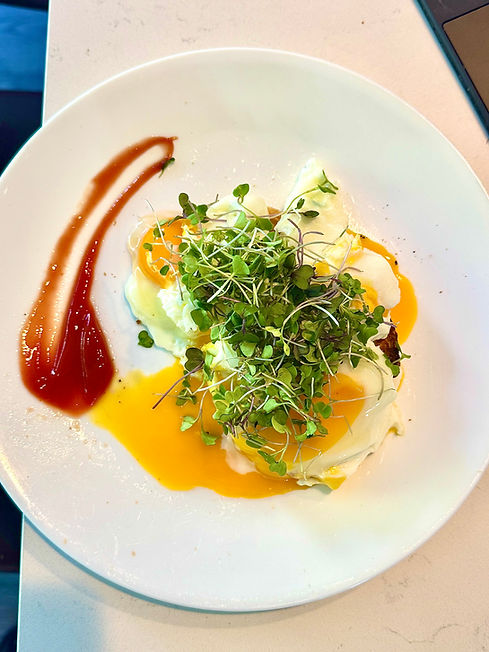
The number one thing that stops people eating microgreens is treating them as fancy. They're not. Treat them like you'd treat fresh herbs or salad greens — add them at the end, raw, and don't cook them down to nothing.
Easy ways to use them every day:
-
Pile them on tacos, sandwiches, and burgers instead of (or with) lettuce
-
Stir a handful into scrambled eggs or an omelet right at the end
-
Top a grain bowl, soup, or avocado toast for crunch and color
-
Blend mild ones like pea or broccoli into a smoothie — you won't taste them
-
Toss them through a salad as the main green, or as a booster
-
Use the pretty ones to garnish any plate you want to look chef-made
One rule: add them last and keep them raw. Heat wilts them and cooks off some of the good stuff. Think finishing touch, not cooking ingredient.

Where to Get Fresh Microgreens in San Diego
You've basically got three options: grow them yourself (genuinely fun, but a real habit to maintain), buy them at the store (convenient, but usually days old and pricey for what you get), or get them delivered fresh from a local grower.
That last one is what we do. Coastal Microgreens delivers fresh, pesticide-free microgreens free every Friday across San Diego County — Oceanside, Carlsbad, Encinitas, Vista, and beyond — harvested within 24 hours, on a weekly or biweekly subscription you can pause or cancel anytime.
If you've read this far, you clearly want the good stuff. Let us bring it to you.
We Deliver throughout San Diego County

Quick Microgreens FAQ
Can you eat microgreens raw?
Yes — raw is the best way to eat them. They're grown clean and cut above the soil, so a quick rinse is all they need.
Do you eat the stems of microgreens?
Yes, stem and leaves both. You just don't eat the root or the soil — they're cut at the stem when harvested.
Are microgreens good for you every day?
For most people, yes — they're just young vegetables. A daily handful is a simple way to add vitamins and antioxidants to meals you're already eating.
Why are microgreens so expensive?
They're labor-intensive and extremely perishable, which drives up retail prices — and a lot of that cost is the shipping and shelf time. Buying direct from a local grower on subscription cuts out the middleman and gets you more for your money.
What are the healthiest microgreens?
Red cabbage, broccoli, radish, and cilantro consistently rank high in nutrient studies — but the healthiest one is the one you'll actually eat regularly. Variety is the real win.

Local Fresh San Diego Microgreens Delivery N ear You

Why More San Diego Families Are Choosing Local
Every subscription supports a small, local farm rather than a large national distribution chain. By choosing local, you're contributing to a healthier food system while enjoying produce harvested right in your. It’s fresher. It’s convenient. And it bolsters agriculture within our community.
Ready to Simplify Healthy Eating?
Healthy eating can be simple. With a Coastal Microgreens subscription, fresh microgreens are delivered to your doorstep—perfect for whenever creativity strikes. Whether you're cooking yourself, feeding a growing family, or just want an easy way to incorporate fresh greens into your meals, we’re here to.
Start your subscription today and discover why more families across Oceanside, Carlsbad, Encinitas, Vista, Solana Beach, San Marcos and San Diego are choosing fresh, locally grown, pesticide-free, sustainably farmed microgreens delivered straight to their door.