
Sprouts vs. Microgreens vs. Baby Greens: What's the Difference and Which Is Best?

Updated: Jun 30
If you've ever walked through a grocery store or browsed a farmers market, you've probably seen sprouts, microgreens, and baby greens sitting side by side. While they may look similar at first glance, they're actually three very different foods, each with its own growing method, flavor profile, nutritional value, and culinary use.

So what's the difference between sprouts vs microgreens vs baby greens? More importantly, which one is the healthiest, the safest, and the best choice for your kitchen?
At Coastal Microgreens, we believe informed customers make better food choices. As a family-founded indoor microgreens farm serving chefs, restaurants, caterers, wellness retreats, and home cooks throughout San Diego and Southern California, we're passionate about growing premium microgreens that deliver exceptional freshness, incredible flavor, and concentrated nutrition.
Let's break down the differences.
Quick Comparison: Sprouts vs. Microgreens vs. Baby Greens
Feature | Sprouts | Microgreens | Baby Greens |
Harvest Time | 3–7 Days | 7–21 Days | 20–40 Days |
Grown In | Water | Soil or Growing Media | Soil |
Sunlight Required | No | Yes | Yes |
Entire Plant Eaten | Yes | Stem & Leaves | Leaves |
Root Eaten | Yes | No | No |
Flavor | Mild | Bold & Diverse | Mild |
Texture | Crunchy | Tender & Crisp | Leafy |
Nutrient Density | Good | Excellent | Very Good |
Culinary Uses | Sandwiches | Gourmet Dishes, Salads, Garnishes | Salads |
Sprouts vs microgreens vs baby greens
What Are Sprouts?
Sprouts are the earliest stage of a germinating seed.
They're produced by soaking seeds in water until they begin to germinate. Within a few days, tiny roots emerge along with a small shoot.
With sprouts, the entire plant is eaten, including:
Seed
Root
Stem
Shoot
Common sprouts include:
Alfalfa sprouts
Mung bean sprouts
Broccoli sprouts
Clover sprouts
Radish sprouts
Because sprouts are grown entirely in warm, humid water, they require careful food safety practices. These same conditions that encourage rapid growth can also allow bacteria to multiply if seeds or growing conditions become contaminated.
Microgreens are often confused with sprouts, but they're completely different.
Microgreens are grown in soil or a clean growing medium with access to light. Rather than being harvested immediately after germination, they're allowed to continue growing until their first true leaves begin to develop.
Unlike sprouts, only the stem and leaves are harvested.
The roots and growing media remain behind.
This creates dramatic improvements in:
Flavor
Texture
Appearance
Color
Culinary versatility
Popular microgreens include:
Sunflower Microgreens
Pea Shoots
Broccoli Microgreens
Radish Microgreens
Cilantro Microgreens
Wasabi Mustard Microgreens
Tokyo Onion Microgreens
Purple Kohlrabi Microgreens
Red Cabbage Microgreens
Basil Microgreens
At Coastal Microgreens, every variety is selected for exceptional taste, vibrant color, and outstanding culinary performance.

What Are Baby Greens?
Baby greens are simply vegetables harvested earlier than full maturity.
Instead of harvesting after one or two weeks like microgreens, baby greens continue growing for several additional weeks before being picked.
Examples include:
Baby spinach
Baby kale
Baby romaine
Baby arugula
Baby Swiss chard
Baby greens are excellent salad ingredients but generally have larger leaves, milder flavor, and lower visual impact than premium microgreens.

Are Microgreens More Nutritious Than Sprouts?
This is one of the most frequently asked questions.
Both sprouts and microgreens are nutritious foods.
However, scientific research has shown that many microgreens contain remarkably high concentrations of vitamins, minerals, antioxidants, and beneficial plant compounds because they're harvested during a stage of rapid growth and intense metabolic activity.
While nutrient levels vary by species, many microgreens are rich in:
Vitamin C
Vitamin E
Vitamin K
Beta-carotene
Folate
Potassium
Polyphenols
Antioxidants
Because different varieties contain different nutritional profiles, eating a diverse selection of microgreens provides the greatest benefits.
Why Professional Chefs Choose Microgreens
Walk into almost any fine dining restaurant and you'll find microgreens.
There's a reason.
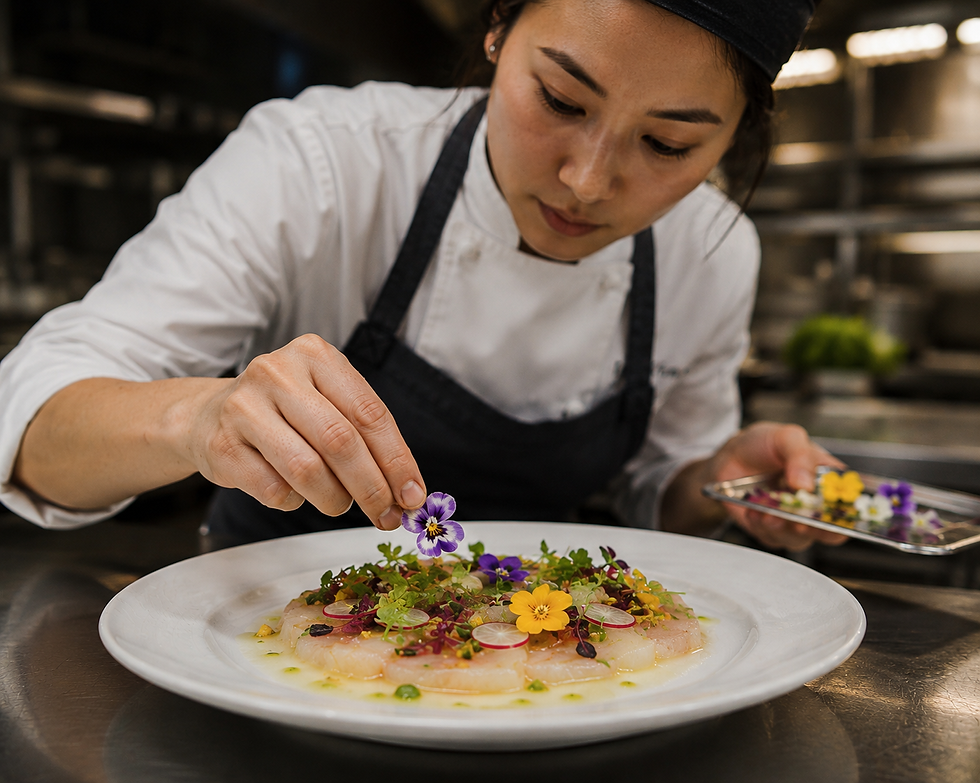
Professional chefs appreciate microgreens because they provide:
Incredible flavor
Beautiful presentation
Vibrant natural color
Delicate texture
Year-round consistency
Endless variety
Microgreens don't simply decorate a plate.
They elevate it.
Whether finishing fresh seafood, grilled steaks, tacos, soups, salads, sandwiches, or gourmet entrées, microgreens add visual appeal while enhancing every bite.
It's why Coastal Microgreens proudly supplies professional chefs, caterers, restaurants, and wellness retreats throughout San Diego.

Freshness Makes All the Difference
Not all microgreens are created equal.
Freshness begins long before harvest.
At Coastal Microgreens, we've developed The Coastal Freshness Method™, a proprietary growing process that optimizes environmental conditions during the final 24 hours before harvest. This helps produce healthier plants with exceptional texture, vibrant color, and remarkable shelf life.
Combined with harvesting as close to delivery as possible, our customers consistently tell us that Coastal Microgreens stay fresh significantly longer than grocery store microgreens and many other suppliers.
Whether you're a home cook or a professional chef, longer-lasting microgreens mean less waste, better flavor, and more value from every purchase.
Do You Need to Wash Microgreens?
People often ask whether fresh microgreens should be washed before eating.
At Coastal Microgreens, our microgreens are grown in a clean, controlled indoor environment without pesticides or chemical sprays. They're carefully harvested, packaged, and ready to enjoy straight from the container.
Unlike sprouts, which are grown entirely in water, our microgreens are harvested above the growing medium, minimizing contact with the roots and making them ideal for fresh culinary applications.
Sprouts vs Microgreens vs Baby Greens. Which Is Best?
The truth is that sprouts, microgreens, and baby greens all have a place in a healthy diet.
Choose sprouts if you enjoy crisp texture and mild flavor.
Choose baby greens for everyday salads.
But if you're looking for the best combination of bold flavor, concentrated nutrition, vibrant color, beautiful presentation, and culinary versatility, microgreens stand in a class of their own.
They're equally at home on a gourmet tasting menu, a healthy breakfast, a family dinner, or a quick weekday lunch.
Why Coastal Microgreens?
At Coastal Microgreens, we're more than just a microgreens farm.
We're passionate about helping people eat healthier while making every meal more flavorful and exciting.
Our premium indoor-grown microgreens are trusted by:
Professional chefs
Caterers
Restaurants
Nutrition-conscious families (including Pet Grass for our furry friends!)
Home cooks throughout San Diego and Southern California
Every tray is grown with precision, harvested at peak freshness, and delivered with care so you experience the highest quality possible.
Whether you're looking for nutrient-dense broccoli microgreens, peppery radish microgreens, fragrant cilantro microgreens, colorful edible flowers, specialty herbs, or baby lettuces, you'll taste the difference that freshness, precision, and attention to detail can make.
Frequently Asked Questions
Are sprouts and microgreens the same?
No. Sprouts are germinated seeds grown in water and eaten whole, while microgreens are grown with light in soil or a growing medium and harvested for their stems and leaves.
Are microgreens healthier than baby greens?
Both are nutritious, but many microgreens contain concentrated levels of vitamins, minerals, and antioxidants because they're harvested at an early stage of growth.
What are the healthiest microgreens?
Some of the most nutrient-dense varieties include broccoli, red cabbage, kale, radish, sunflower, pea shoots, and cilantro microgreens. Eating a variety provides the broadest range of nutrients.
Whether you're discovering microgreens for the first time or you're a professional chef searching for the freshest locally grown microgreens in San Diego, Coastal Microgreens is committed to delivering exceptional quality from seed to plate.
Fresh. Flavorful. Nutrient-dense. Precision grown. Chef approved.
That's the Coastal Microgreens difference.


Comments